The signal
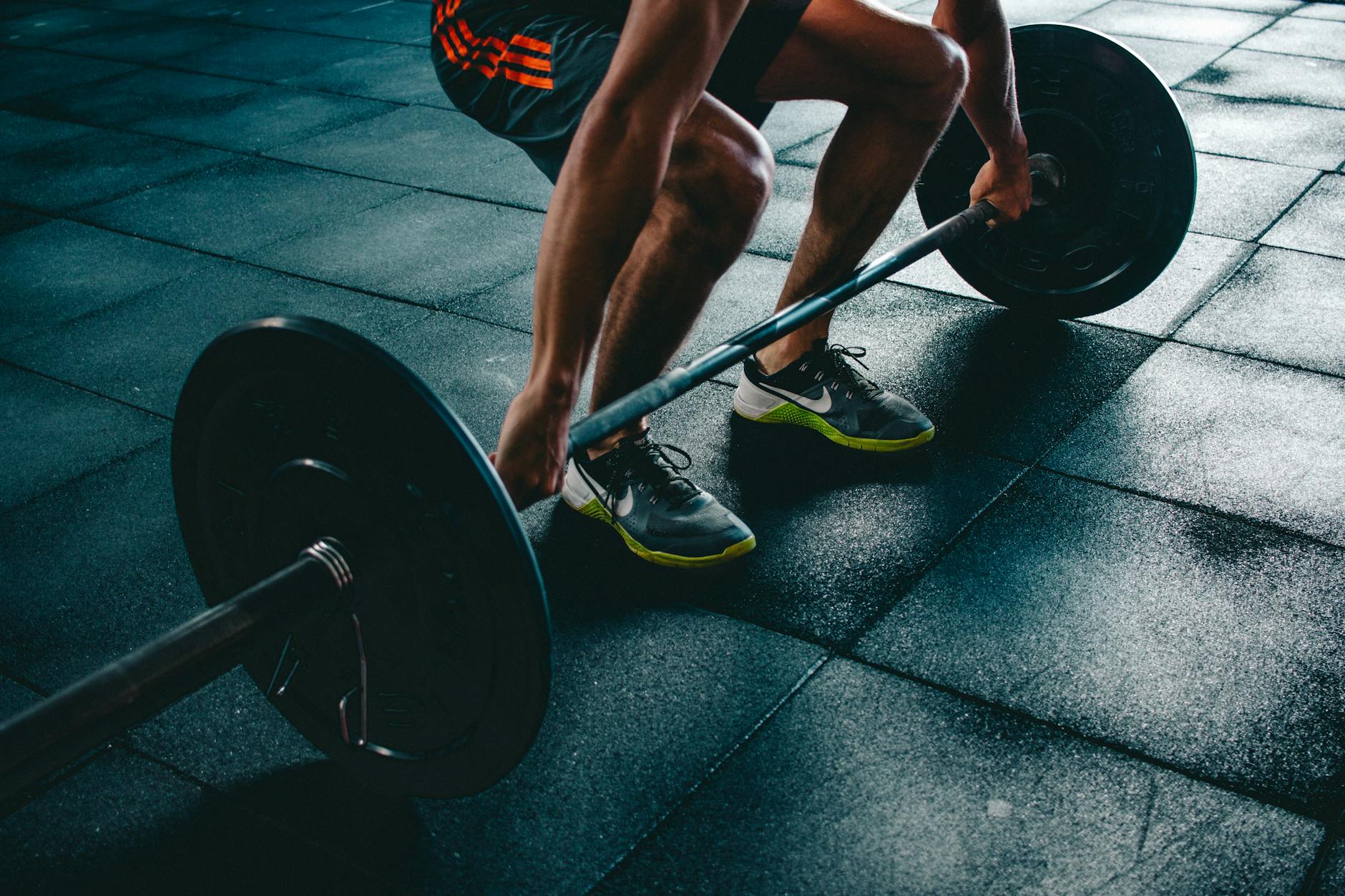
It's Friday, seven p.m., at a premium gym in the Manila neighborhood of El Poblado. I walk in expecting the usual —the half-empty floor, three machines in use, the relief of having it almost to myself— and I find a film set. The gym lends out two tripods as part of the equipment, but that night I count three more crews coming in on their own: professional cameras, wireless mics, lights. They shoot routines in two and three different spots on the floor at once. People recognize the trainers: several are influencers from the healthy world; one goes by his handle, "el Vikingo." They coach groups of three and four at a time. Today Jefferson Cossío came through; last month, Wescol. Everyone knows who they are, but nobody makes a scene: their being there isn't an event, it's part of the dynamic of the place. In Medellín, running into someone famous stopped happening at the club and started happening between sets of squats.
Nobody comes just to sweat. Members chase their routine with protein drinks, pre-workouts and post-workouts sold at the gym's own muscle bar. There's makeup. There are wardrobe changes. There are entire conversations about tweaking routines and comparing results —"today's leg day," "just pumping today." The membership is the cheapest in the city for a gym of this tier: a hundred thousand pesos. But supplements run about three hundred thousand a month, and a single outfit to train in tops a million. Added up, keeping up the scene costs what going out used to. It's a catwalk with weights, and even the words to inhabit it have appeared: gymrat, gymcoholic —a vocabulary that gives away that we're no longer talking about a routine but about belonging.
The ritual has choreography. People arrive already done up; the pre-workout is downed the way you down the night's first drink, and between sets the phone doesn't time the rest —it feeds the feed. The mirror —which existed to correct form— is now a frame. Nobody just lifts weight: they lift, at the same time, an image of themselves for someone else to see.
The context
This doesn't land in just any city. It lands in the one that has spent three years reorganizing its identity around the body and around music. Medellín rebranded itself as the capital of reggaeton, and that brand turned it into a destination: it received more than 1.2 million foreign tourists in 2024, up 23% from the year before (Medellín Advisors, 2024), and takes in around 8,300 digital nomads a month (Marketplace, 2024). Time Out named it in 2025 the best city in South America for nightlife. The city learned to sell itself as an experience of curated pleasure —and curated pleasure needs stages.
The gym offered itself as the perfect stage: respectable in daylight, hedonistic under neon. The tourist who lands for twenty days no longer asks only about the club; he signs up at a gym to "live Medellín," make friends, and enter the scene through a door that isn't on the street but inside, filtered, with an aesthetic. And I see it midweek, mid-morning, when the floor fills with accents that aren't from here: for the newcomer, the gym is the first address they ask for, before the restaurant or the lookout. The gym didn't replace the party. It inherited its script.
The analysis
What I see in Manila isn't a local oddity: it's the paisa version of a global shift. In 2026 Bloomberg ran the headline, without metaphor, that "gyms are replacing bars in Gen Z's social and dating lives." The number driving it is sober in the literal sense: just 62% of people under 35 say they drink, against 72% two decades ago (TIME, 2025). As the weight room fills up, the dance floor empties out: nearly a third of the United Kingdom's nightclubs have closed since the pandemic (Fortune, 2024). In New York the run clubs became the new singles bars, and boutique chains like Barry's are already described as "a night out at the club —only more grueling: bumping beats, red lighting and beautiful people" (Portland Monthly). In 2024, participation in running clubs grew, by reported figures, around 59% (Strava, via The Manual).
The mechanism is the same everywhere, and it's older than the gym: what the club used to solve —belonging, being seen, finding a partner, marking status— didn't vanish with sobriety; it moved. The industry knows it and charges for it. The gym became what sociologists call the "third place," the spot between home and work where social life happens: 57% of people now join for connection, not health (Fitt Insider; Forbes, 2026), and 37% of Gen Z use the gym to socialize (Les Mills, 2024). In Colombia that market is already worth around 55.8 million dollars and growing 8.9% a year (Cognitive Market Research). That's why the hundred-thousand-peso membership is the bait: the three hundred thousand in supplements and the million-peso outfit are the real cover charge —in pesos— of an economy designed to charge you for belonging.
The anticipation
What's coming isn't more health; it's more membership. And here is the reading you only get from inside this city: the gym didn't kill the paisa night —it became its pre-game. It's where you get activated, where you build the confidence and self-esteem to go out afterward. But the pre-game is eating the party: it steals hours, money and spotlight from the very club it claims to prepare you for. The gym will keep absorbing the functions of the night —the date, the "get ready for," the DJ— until the monthly fee is the new cover and the body's aesthetic the new bottle service: the club's velvet rope reappears, now woven in muscle and technical wear. And like any velvet rope, it works both ways: it says who gets in and, above all, reminds you daily who's left out. Cities and brands that read this only as a "fitness boom" will miss the point. What is being built is status infrastructure disguised as wellness. The signal to watch isn't how many sign up, but who gets priced out of showing up —in a city where rents in Laureles already rose 81% on the same wave that filled the gyms (Colombia One, 2024).
To be sure
And here I force myself to see my own flank. Maybe this isn't decadence but evolution: a city that only knew how to socialize at night and with alcohol learning to do it by day, sweating, without a hangover. The friendships formed in a group class are real —42% of Gen Z say they've made friends there (Les Mills)— and the gym didn't invent performance; Instagram had already turned the restaurant and the beach into a set. Maybe the gym just inherited a stage the city was going to fill anyway. I grant that. And there's one more flank, uncomfortable for my own thesis: for many women, the gym at seven p.m. is a safer place than the club at three a.m. If social life moves into a space with light, cameras and witnesses, maybe it isn't only getting pricier: it's also getting safer. But even so, it's still an evolution where wellness is paid for in appearance, and not everyone can cover that bill.
CORE position
Beneath the lights, the tripods and the muscle bar drinks beats the oldest need of all: to belong. Manila's gym doesn't sell bodies; it sells a place to be seen belonging. That's the intelligence, not the anecdote: when a city moves its social life into a space that demands an aesthetic to enter, it isn't choosing to be healthier —it's redrawing, in muscle and in pesos, who fits inside. Next time you pass a packed gym on a Friday night, don't look at how many are training. Look at who isn't there.